Diamonds
Natural vs lab-grown diamonds: how to read the certificate
Natural and lab-grown diamonds look the same to the eye. Here is how GIA and IGI reports show the difference, and what to ask before you buy.
4 min read
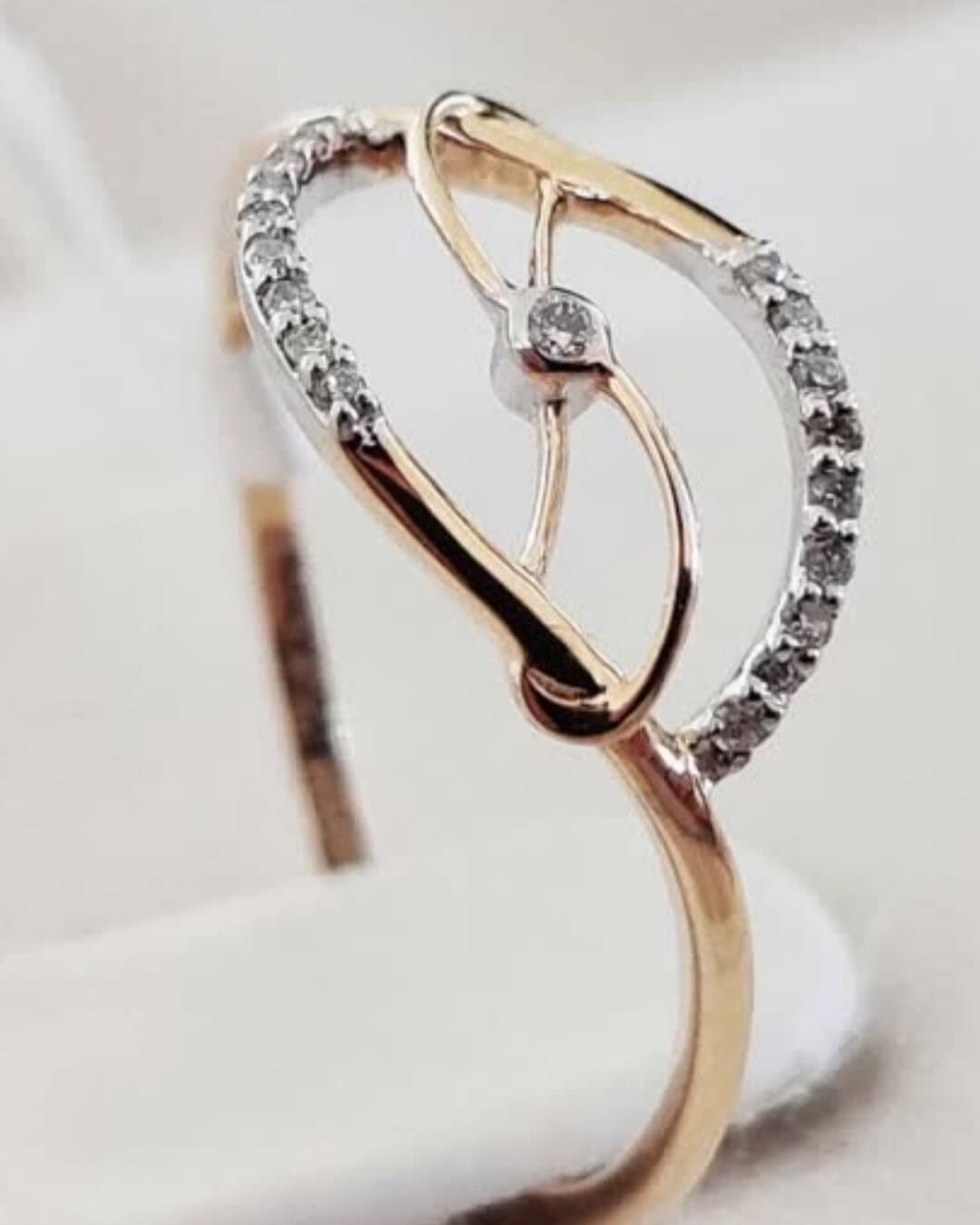
You are standing at a counter, two diamond rings side by side. They sparkle the same, they are the same size, and yet the price tags are far apart. Or a cousin overseas has told you about lab-grown diamonds and you are not sure what to make of it.
The good news is that you don't need to be an expert to tell them apart. You just need to know how to read the paperwork.
What "lab-grown" actually means
A lab-grown diamond is a real diamond. It has the same chemistry and physical properties as a diamond mined from the earth. The difference is how it formed: instead of forming deep underground over a very long time, it was grown in a laboratory.
There are two main methods:
- CVD (chemical vapour deposition): the diamond is built up layer by layer from a carbon-rich gas.
- HPHT (high pressure, high temperature): conditions similar to those deep in the earth are recreated to grow the crystal.
In 2018, the US Federal Trade Commission updated its Jewelry Guides and stopped treating "natural" as part of the definition of a diamond. It also requires sellers to disclose lab-grown stones clearly, using words like "laboratory-grown" or "laboratory-created".
They look the same to the eye
You cannot tell a natural diamond from a lab-grown one by looking at it, even up close. Both are graded on the same qualities, and both can be beautifully cut. Telling them apart takes specialist laboratory equipment.
That is why the paperwork, and especially an independent grading report, matters so much. It is your written record of what the stone is.
How certificates show the difference
The two grading laboratories you are most likely to see named on diamond reports are the GIA (Gemological Institute of America), which created the 4Cs grading system, and the IGI (International Gemological Institute), which is widely used, especially for lab-grown stones.
GIA reports
- Natural diamonds get a "GIA Diamond Grading Report" or "Diamond Dossier". These include full D to Z colour and clarity grades and have no "laboratory-grown" wording.
- Lab-grown diamonds graded from 1 October 2025 get a "Laboratory-Grown Diamond Quality Assessment". Instead of D to Z colour and clarity grades, GIA now gives a descriptive classification, such as "Premium" or "Standard". These stones are laser-inscribed "LABORATORY-GROWN" on the edge, along with the report number.
- Older GIA lab-grown reports (roughly 2020 to 2025) did include colour and clarity grades, but they are clearly titled "Laboratory-Grown Diamond Report" and state whether the stone was grown by CVD or HPHT. These reports remain valid.
So if you see a GIA lab-grown report that looks different from an older one, that is expected. The format changed in late 2025.
IGI reports
- Lab-grown reports have report numbers that start with "LG".
- The report is titled "Laboratory Grown Diamond Report".
- The comments state the growth method, CVD or HPHT, and may mention post-growth treatment.
- The laser inscription on the stone's edge (the girdle) includes "LAB GROWN" or "LABGROWN".
Check the stone matches the paper
Whichever laboratory issued the report, check two things:
- The inscription. Many graded diamonds carry the report number laser-inscribed on the girdle. It is tiny, but you can see it under a loupe. Ask the jeweller to show you, and check that the number matches the report.
- The online record. Both GIA (Report Check) and IGI (at igi.org) let you look up a report number online. The details should match the paper you are holding.
Quick comparison
| What you see | Natural diamond | Lab-grown diamond |
|---|---|---|
| Report title | GIA Diamond Grading Report or Diamond Dossier | "Laboratory-Grown" or "Laboratory Grown" in the title |
| Growth method listed | No | CVD or HPHT |
| GIA laser inscription | Report number | "LABORATORY-GROWN" plus number (from Oct 2025) |
| IGI report number | No "LG" prefix | Starts with "LG" |
Questions to ask before you buy
Whether you are buying in Fiji or overseas, these questions work anywhere:
- Is this diamond natural or lab-grown?
- Which laboratory graded it, and can I see the report?
- Does the report number match an inscription on the stone? Can I see it under a loupe?
- Can I check the report online?
- What does the receipt say about the stone? Ask for the diamond to be described on it.
- If you are comparing two stones, are both reports from the same laboratory?
Neither choice is wrong. Some couples prefer the story of a natural diamond, and others like the idea of a grown stone. What matters is that you know which one you are choosing and love it.
Buying a diamond at Shreeji Jewellers
At Shreeji Jewellers, every diamond comes with a Certificate of Authenticity at purchase, listing its carat weight, cut, clarity and colour. Ask us what's in the case, and we're happy to explain the difference between natural and lab-grown at the counter and show you rings side by side. For the bigger picture, from the 4Cs to sizing and budget, read our diamond engagement ring buying guide for Fiji.