Gold guides
22ct vs 18ct vs 14ct gold: why Fiji gold looks different
Why gold in Fiji looks richer than in Sydney, Auckland or LA. 22ct, 18ct, 14ct and 9ct compared: purity, colour, which suits what and the stamps.
4 min read
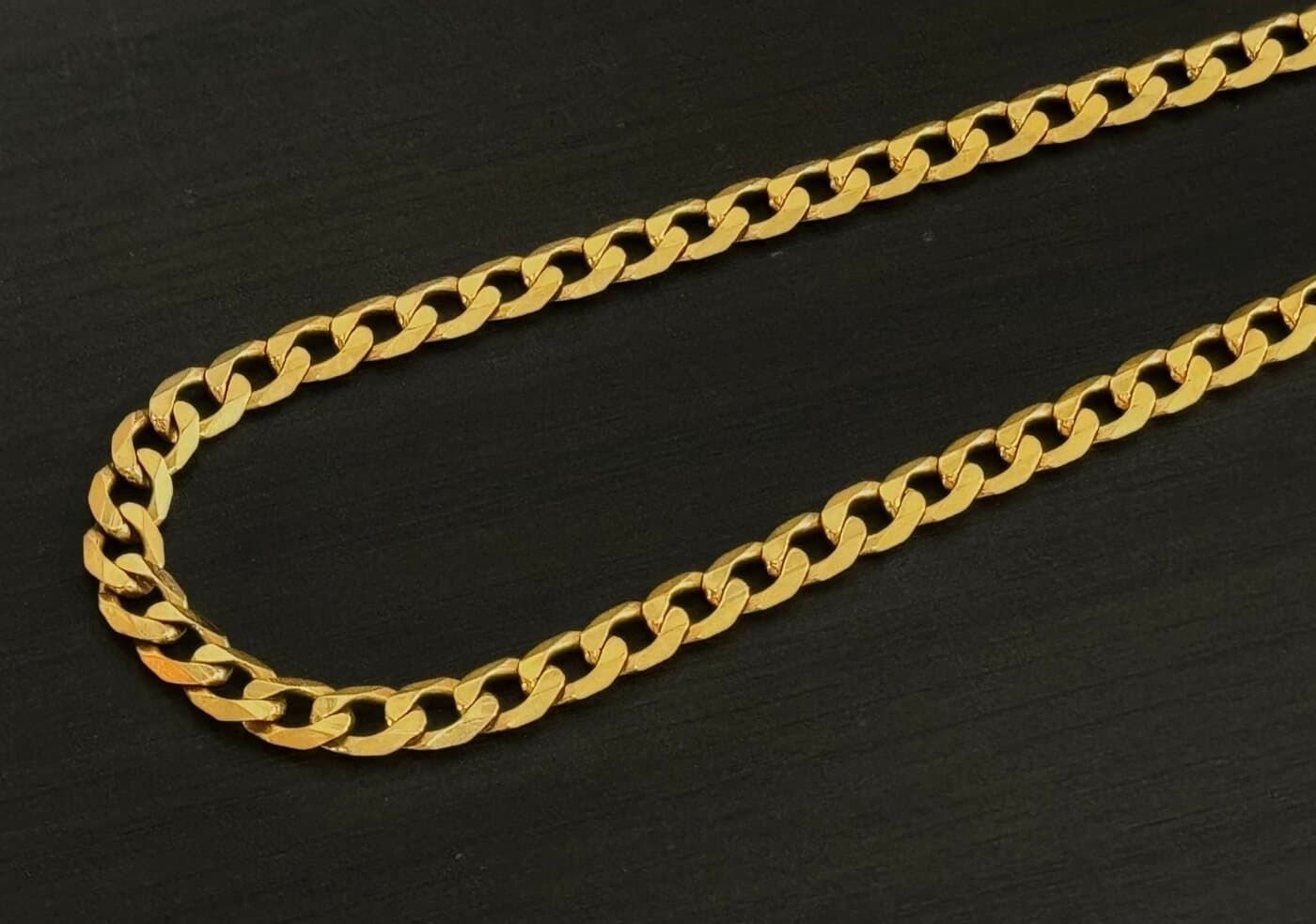
If you grew up in Fiji and now live in Sydney, Auckland, Los Angeles or Vancouver, you've probably noticed it. The gold in the shopping centre at home looks paler than the bangles your mum wears, and a chain bought in Nadi has a warmth and richness that's hard to find in a mall overseas.
You're not imagining it. Most of the difference comes down to one number: the carat.
What carat actually measures
Carat (ct) tells you how much of the metal is pure gold, out of 24 parts. The rest is alloy, usually metals like copper and silver, which add hardness and change the colour.
| Carat | Pure gold | Stamp you'll see |
|---|---|---|
| 24ct | about 99.9% | 999 |
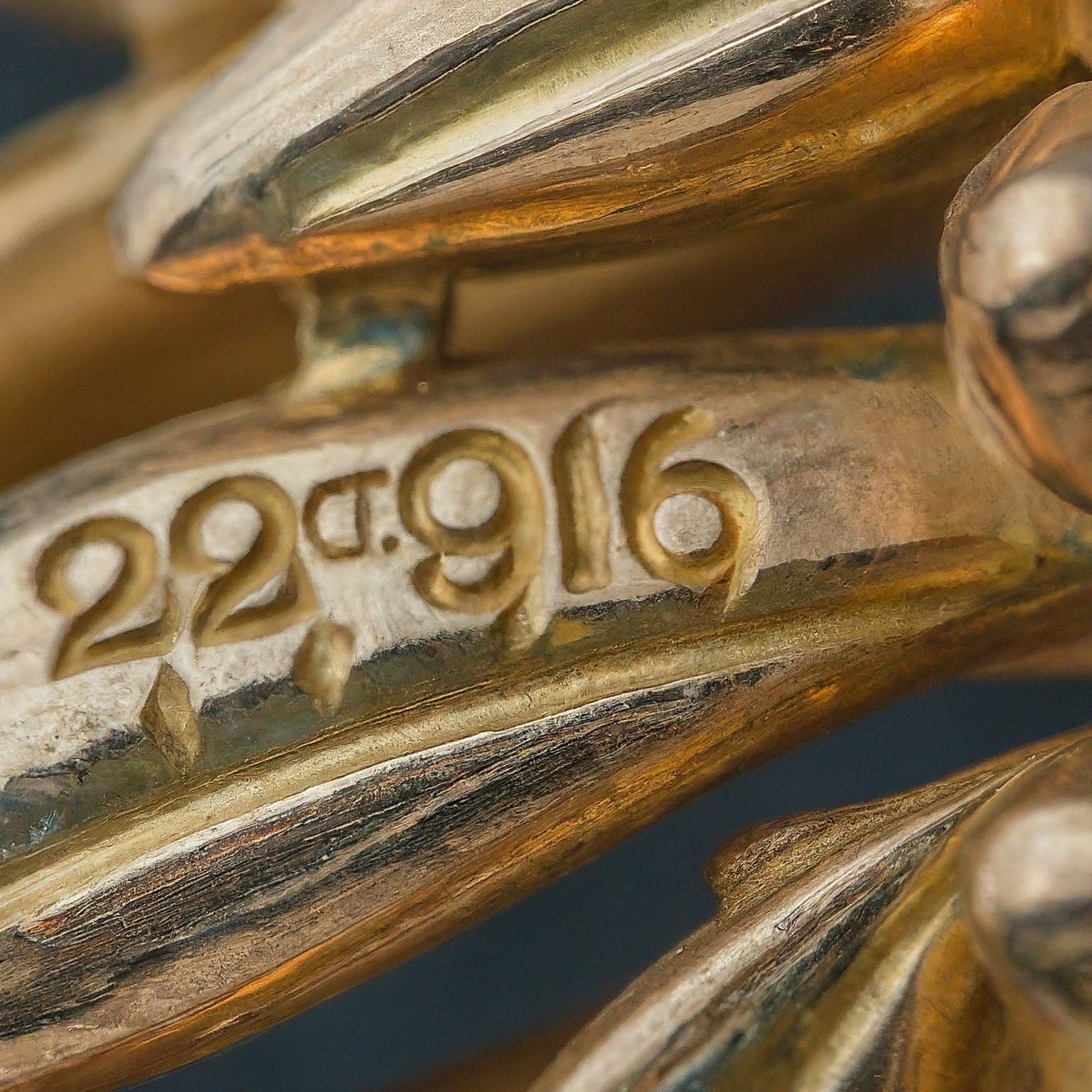
| 22ct | 91.6% | 916 |
| 18ct | 75% | 750 |
| 14ct | 58.5% | 585 |
| 9ct | 37.5% | 375 |
So 22ct is roughly nine-tenths gold, while 9ct is a little over a third. They're all real gold. They're just very different mixes.
For a deeper look at the 22ct stamp, see our post on what 22ct actually means.
What you'll often see in each country
- In Fiji, 22ct gold is widely worn, especially in many Fiji Indian families for weddings, festivals and gifts.
- In Australia and New Zealand, you'll commonly see 9ct and 18ct in the big jewellery chains.
- In the USA and Canada, 14ct is very common in mall jewellery stores.
None of these is "better". Each makes sense for different jobs. But it explains why a piece bought overseas can look and feel so unlike what you grew up with.
How the carats compare
Colour
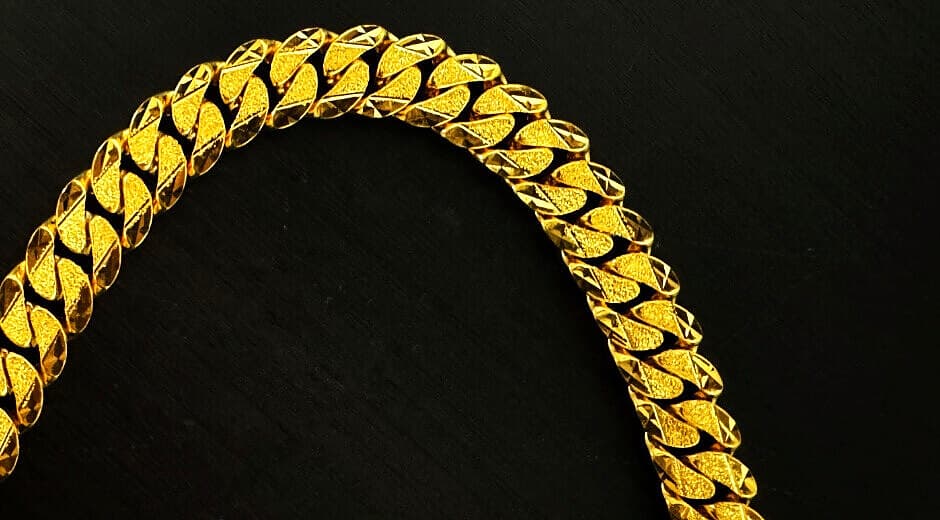
Pure gold is a deep, rich yellow. The more alloy in the mix, the further the colour moves from that. That's why 22ct has the warm, buttery yellow many people associate with gold from home, while 14ct and 9ct yellow gold tend to look lighter.
Lower carats also make white and rose gold possible, because the alloy can be adjusted to change the colour.
Everyday wear
Alloy metals add hardness, so lower carats are a little tougher for pieces that get knocked about. 22ct is rich and pure, so treat it kindly: take bangles off for heavy work and store pieces separately. Our guide to caring for 22ct gold covers storing and cleaning it, whether you're in Fiji or overseas.
Feel
Because 22ct contains more gold, it has the substantial, luxurious feel people expect from family jewellery.
Everyday wear vs occasions
Here's a practical way to think about it.
| Good for | Things to know | |
|---|---|---|
| 22ct | Wedding sets, bangles, chains, mangalsutra, pendants, festival and gift pieces | Richest colour, highest gold content; the traditional choice for family pieces |
| 18ct | Diamond engagement rings and wedding bands, finer everyday pieces | Good balance of colour and strength; available in yellow, white and rose |
| 14ct | Everyday rings and jewellery bought overseas | Harder-wearing, paler yellow; common in North America |
| 9ct | Everyday chains, earrings, budget-friendly gifts | Most durable of these, lightest colour, lowest gold content |
Many people end up with a mix: 22ct for occasions and the pieces that carry family meaning, and a lower carat for rings that get knocked about at work every day.
How to read the stamps
Gold jewellery should carry a purity stamp, often called a hallmark, on the metal itself. Look for it:
- on or near the clasp of a chain or necklace
- inside a ring or bangle
- on the post or hook of an earring
You might see the number on its own ("916"), or alongside the carat ("22ct"). Some pieces also carry a maker's mark. Our post on how to read the purity stamp goes into more detail.
When each makes sense
- Buying for a wedding or a family occasion? 22ct is the traditional choice in many Fiji Indian families.
- Choosing an engagement ring for daily wear? 18ct is a popular choice, with good colour and the strength to hold a diamond securely.
- Want a chain to wear to the gym or the worksite? A lower carat will cope better with knocks.
- Buying a first gold piece, or a gift on a budget? 9ct is a durable, affordable start.
Wearing 22ct back home
If you live in Australia, New Zealand, the USA or Canada, you'll find 22ct is much less common in the big chain stores. That's why so many families make choosing 22ct part of a trip home to Fiji.
Seeing the difference in person
The easiest way to understand the difference is to hold the pieces side by side. At Shreeji Jewellers we stock 22ct gold as our main focus, alongside 18ct and 9ct gold, sterling silver and diamond rings. Ask us to put a 22ct piece next to an 18ct or 9ct one, and compare the colour, the feel and the stamp on each.
If you're coming home from overseas, our guide to buying gold in Fiji will help you plan.